A Dedicated Pillar · Medically Guided

Hormonal Health for
Men & Women.

Training hard but still feeling tired? Struggling to build muscle, recover properly or stay motivated? Your hormones could be part of the picture.

Hormones are the body’s chemical messengers. When they are not functioning normally, the effects can appear both inside and outside the gym.

Symptoms alone cannot diagnose a hormonal condition. Proper assessment and appropriate blood tests are essential.

The Foundation

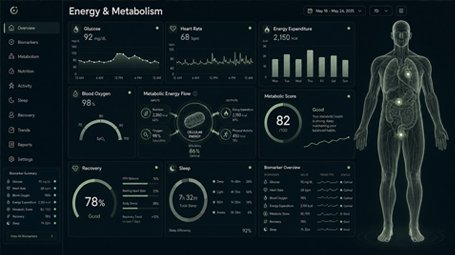
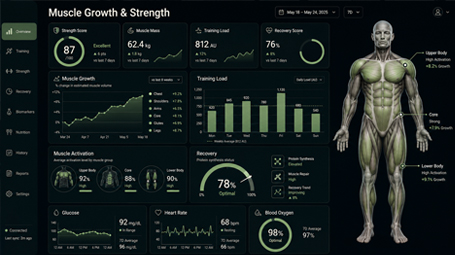
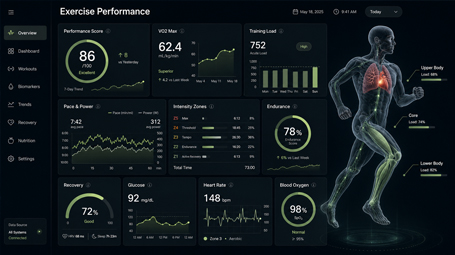
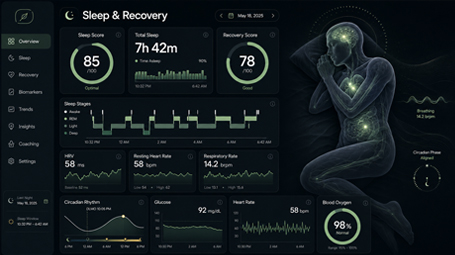
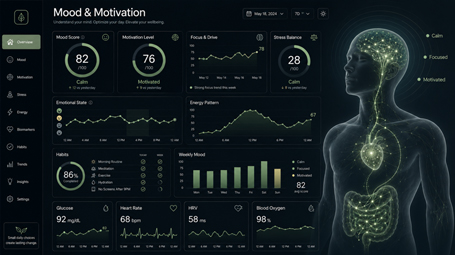
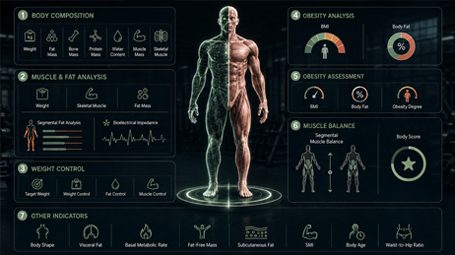
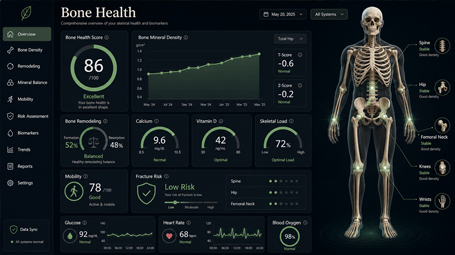
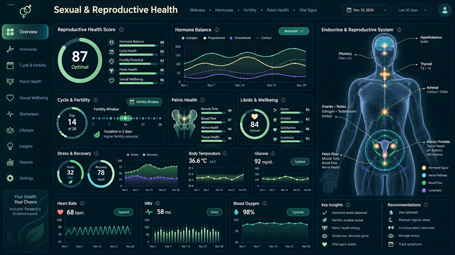
See How Your Hormones Are Affecting Your Energy and Performance with Our Technology

Our technology goes beyond measuring hormone levels. It monitors how your hormones are actually affecting your body, revealing their impact on your energy, metabolism, sleep, training, and recovery. See what your hormones are doing not just what your hormone levels are.

Energy & metabolism
Muscle growth & strength
Exercise performance
Sleep & recovery
Mood & motivation
Weight & body composition
Bone health
Sexual & reproductive health
Recognition

Signs your hormonal health
may need attention.

Watch for changes that persist over several weeks rather than isolated bad days. Patterns matter far more than single sessions.

Low energy despite adequate rest
Reduced strength, speed or stamina
Slow recovery and excessive soreness
Difficulty gaining muscle or managing weight
Poor sleep or frequent mood changes
Low motivation and difficulty concentrating
Reduced sex drive
Irregular or missed menstrual periods
Frequent injuries or stress fractures
A sudden or unexplained decline in performance
Important

These symptoms do not always mean you have a hormonal disorder. Poor nutrition, inadequate sleep, anaemia, illness, stress and overtraining can cause very similar problems. A proper medical assessment is what separates the two.

Hormonal Health in Men

More than a
muscle-building hormone.

Testosterone supports muscle mass, strength, bone health, red-blood-cell production, sexual function and general well-being. Clinically low testosterone may cause reduced energy, loss of muscle mass and strength, increased body fat, low mood or irritability, reduced libido, poor concentration and weaker bones.

Heavy training combined with inadequate food, poor sleep or insufficient recovery can temporarily lower testosterone which is why context matters as much as the number.

Diagnosis

Low testosterone cannot be diagnosed through symptoms alone. It generally requires compatible symptoms together with at least two properly timed morning blood tests.

Important Safety Note

Testosterone should not be used simply to improve appearance or athletic performance. Unsupervised use can reduce sperm production and create serious health risks.

Hormonal Health in Women

Your own pattern beats
any generic plan.

Oestrogen and progesterone influence menstrual health, bone strength, body temperature, recovery and how the body uses energy. Some women notice changes in energy, comfort or perceived effort across their cycle but there is no single pattern that applies to everyone.

Oestrogen &
Progesterone

Rather than following rigid cycle-based training rules, track your own response over time and train to what you actually observe.

Menstrual dates Energy and mood Sleep quality Pain or discomfort Training performance Recovery and soreness

Polycystic Ovary
Syndrome

PCOS may involve irregular periods, higher androgen levels and insulin resistance. Exercise can play an important role in managing it but nutrition, medication and training should be personalised with professional guidance.

Menstrual regularity Weight management Blood-sugar control Sleep and energy Mood and mental health Fertility

Perimenopause &
Menopause

Changes in oestrogen may contribute to hot flushes, sleep disruption, fatigue, mood changes, reduced muscle mass, changes in body composition and lower bone density.

Resistance training Adequate protein Good sleep Calcium & vitamin D

Medical treatment, including hormone therapy, may be appropriate for some women following an individual assessment.

Common Ground

Hormonal concerns that
affect everyone.

Three systems sit behind a large share of unexplained fatigue, stalled progress and disrupted recovery in men and women alike.

Thyroid Hormones

The thyroid helps control metabolism and energy.

Underactive may cause
  • Extreme tiredness
  • Weight gain
  • Feeling unusually cold
  • Low mood
  • Poor concentration
  • Reduced exercise tolerance
Overactive may cause
  • A racing heart
  • Excessive sweating
  • Muscle weakness
  • Anxiety
  • Unexplained weight loss

Thyroid conditions require appropriate blood tests and medical care not self-diagnosis or random supplements.

Insulin

Insulin helps move glucose from the bloodstream into cells, where it can be used for energy.

When the body becomes less responsive to insulin, energy regulation and weight management may become more difficult.

Regular exercise, balanced nutrition, good sleep and medical support can improve metabolic health.

Cortisol

Cortisol is commonly called the “stress hormone,” but it is not the enemy. It helps make energy available during exercise and stressful situations.

The problem develops when high stress is combined with poor sleep, inadequate nutrition and insufficient recovery.

That combination may contribute to fatigue, disturbed sleep, low motivation and poor performance.

Energy Availability

Are you fuelling enough
for your training?

More exercise does not always produce better results. When the body does not receive enough energy to support both training and normal biological functions, it experiences low energy availability. If this continues, it can contribute to Relative Energy Deficiency in Sport, or REDs which affects both men and women.

Possible warning signs
Constant tiredness Declining performance Poor recovery Repeated illness or injury Stress fractures Mood & concentration changes Irregular or absent periods in women Reduced testosterone or libido in men
Important Safety Note

If these signs appear, pushing harder or eating less will usually make the problem worse. Training, nutrition and recovery should be reviewed with a sports doctor or qualified sports dietitian.

Practice

How to support healthy hormones.

None of this is exotic. Consistency across these six areas does more for hormonal health than any supplement shelf.

Fuel Your Body

Eat enough to support your training and daily activities. Carbohydrates for energy, protein for muscle repair, and healthy fats for normal hormone production.

Prioritise Sleep

Consistent, good-quality sleep supports recovery, appetite regulation, mood and normal hormone function.

Train Intelligently

Use progressive training, include recovery days, and avoid suddenly increasing exercise volume or intensity.

Manage Stress

Recovery includes more than rest days. Relaxation, social connection and time away from training all matter.

Avoid Extreme Diets

Rapid weight loss, very low-calorie diets and eliminating major food groups can reduce energy availability and disrupt hormonal health.

Track Meaningful Changes

Record sleep, energy, mood, performance, recovery and menstrual or sexual health. Look for patterns that continue for several weeks.

Escalation

When should you seek
professional help?

Speak with a healthcare professional if you experience any of the following particularly where symptoms persist, worsen, or begin to interfere with daily life.

Persistent or severe fatigueAssess
A major decline in athletic performanceAssess
Missed or very irregular periodsAssess
Reduced libido or erectile difficultiesAssess
Unexplained weight changesAssess
Repeated injuries or stress fracturesAssess
Heart palpitations, dizziness or faintingUrgent
Symptoms that disrupt training or daily lifeAssess
The Takeaway

Hormonal health is not about chasing “perfect” numbers.

It is about giving your body the fuel, sleep, training and recovery it needs and getting medical support when something does not feel right.

Listen to your body Track meaningful changes Fuel your performance Recover with purpose

Your energy, health and results depend on more than how hard you train.

By Invitation & Assessment

Understand Your
Hormonal Baseline.

A confidential, unhurried assessment built around your biology, your symptoms and your training. There is no obligation, only clarity about what is actually driving how you feel.

This content is for educational purposes and does not replace individual medical advice, diagnosis or treatment. Hormone-related symptoms vary between individuals, and suitability for any investigation or treatment is determined only following clinical assessment by a qualified clinician.